Day: July 25, 2025

  • Top 10 Mistakes to Avoid When Developing Your CV

    Top 10 Mistakes to Avoid When Developing Your CV

    A strong CV is more than a record of your work history—it’s a marketing document that highlights your value to potential employers. To stand out, your CV must be clear, accurate, and tailored to the role. Below are the ten most common mistakes candidates make—and how to avoid them.

    1. Spelling & Grammar Errors – Even small typos damage credibility. Always proofread and use tools or peer review.
    2. Being Too Vague – Replace general claims with measurable results (e.g., “Increased sales by 20% in six months”).
    3. Using the Same CV Everywhere – Customize for each role by aligning skills and keywords with the job description.
    4. Text Overload – Recruiters skim quickly. Use bullet points, concise phrasing, and clear headings.
    5. False or Misleading Information – Exaggeration backfires; employers verify details. Integrity builds trust.
    6. Wrong Length – Early-career: 1 page. Experienced: 2 pages. Longer only for academia/portfolios.
    7. Poor Formatting & Design – Keep layout clean, modern, and consistent. Avoid clutter or flashy styles unless in a creative field.
    8. Weak Language – Avoid “responsible for” or “assisted with.” Use action verbs like led, achieved, and implemented.
    9. Listing Duties, Not Achievements – Highlight impact, not just tasks (e.g., “Boosted engagement by 35%” vs. “Managed social media”).
    10. Ignoring Employment Gaps – Briefly explain gaps positively (study, volunteering, freelancing). Be prepared to discuss in interviews.

    Final Word

    Your CV is your professional story—make it worth reading. By avoiding these pitfalls and focusing on clarity, honesty, and relevance, you’ll create a CV that reflects your professionalism and improves your chances of leaving a lasting impression.


  • Your Quick Guide to Interview Success

    Your Quick Guide to Interview Success

    Job interviews can feel intimidating—you’re presenting yourself for a role you don’t yet have, to someone you’ve never met. But with the right preparation and mindset, you can approach any interview with confidence and make a lasting impression.

    1. Prepare Like a Pro

    Success begins long before the interview. Preparation shows professionalism and sets you apart.

    ✔️ Confirm the date, time, location, and logistics (parking, online link, etc.)
    ✔️ Learn the interviewer’s name, role, and correct pronunciation
    ✔️ Research the company’s mission, services, culture, and recent updates
    ✔️ Review your achievements and be ready to discuss measurable results
    ✔️ Prepare thoughtful questions—remember, interviews are a two-way conversation

    “Failing to prepare is preparing to fail.” – Benjamin Franklin

    2. Show Up and Stand Out

    First impressions matter. Be professional, authentic, and engaged.
    Do: Arrive early, dress appropriately, greet confidently, maintain positive body language, speak clearly, use the STAR method (Situation, Task, Action, Result), and listen actively.
    Don’t: Give one-word answers, criticize past employers, exaggerate your experience, or discuss salary too early.

    3. Anticipate Common Questions

    Be ready to share your story with clear, relevant examples. Expect questions like:

    • Why do you want to work here?
    • What are your strengths and weaknesses?
    • Tell me about a challenge you overcame.
    • What motivates you?
    • Where do you see yourself in five years?
    • How do you handle teamwork or conflict?


    Use STAR (Situation, Task, Action, Result) to structure responses. Pro Tip: Structure your answers with STAR to stay focused and impactful – Situation, Task, Action & Result.

    4. Close Strong

    End on a positive note:

    • Express enthusiasm for the role.
    • Ask about next steps.
    • If offered the role, respond confidently—or request time if needed.
    • Don’t be discouraged if no immediate offer is made.


    5. After the Interview

    Your professionalism doesn’t end when the interview does.

    📞 If working with a recruiter: call them right after the interview to share insights—they can advocate on your behalf.

    ✉️ If applying directly: send a concise thank-you email within 24 hours, expressing appreciation for the opportunity and reiterating your interest.

    👉 A successful interview is about preparation, connection, and follow-through. Master these steps, and you’ll position yourself as a confident, capable, and memorable candidate.

  • A Quick Guide to Writing a Professional CV

    A Quick Guide to Writing a Professional CV

    What is a CV?

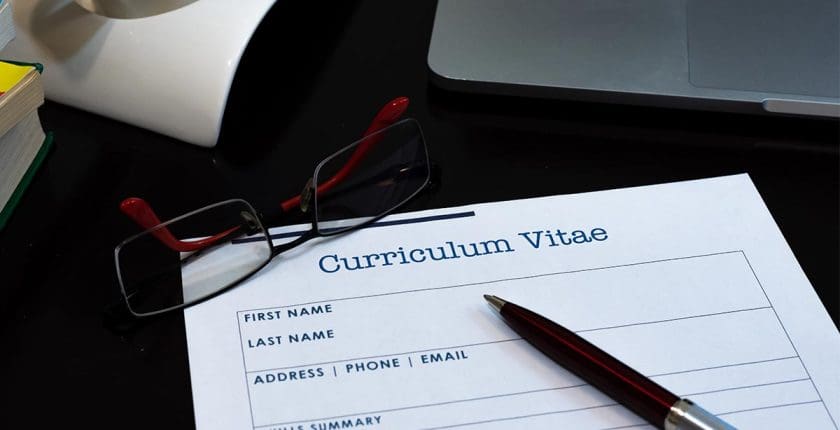
    A CV (curriculum vitae) is a structured summary of your education, experience, and skills. It gives employers a clear snapshot of your qualifications and demonstrates your suitability for a role. A well-crafted CV makes it easier for hiring managers to evaluate your profile and increases your chances of being shortlisted.

    Why Does It Matter?

    Your CV is often your first introduction to potential employers. It highlights your achievements and expertise, showing why you are a strong fit. Tailoring it to each application helps you:

    • Showcase your most relevant strengths.
    • Improve visibility in applicant tracking systems (ATS).
    • Maximize your chances of securing an interview.


    How to Write a Professional CV

    1. Choose the right format (Chronological, Functional, or Combination) to best present your career story.
    2. Add clear contact details at the top: full name, phone number, professional email, city, and LinkedIn or portfolio link.
    3. Write a tailored professional summary (2–4 lines) highlighting your role, years of experience, core strengths, and value proposition.
    4. Detail work experience in reverse order: include job title, company, location, dates, and 3–6 bullet points per role with strong action verbs and measurable results.
    5. List education in reverse order: degree/certification, institution, and graduation year. Recent graduates can add relevant courses or projects.
    6. Highlight key skills (technical and soft), focusing on those most relevant to the role and supported by evidence.
    7. Include relevant extras such as certifications, projects, publications, awards, languages, or professional memberships.
    8. References: simply state “Available upon request.” Always confirm referees’ permission before sharing contact details.
    9. Tailor for each job by aligning language and keywords with the job description to improve ATS compatibility.
    10. Proofread and format consistently—check grammar, spelling, spacing, and overall readability. Ask a trusted colleague to review.


    CV Length Guidelines

    • Early-career candidates: Aim for 1 page.
    • Experienced professionals: Up to 2 pages if necessary.

    Clarity and relevance are key—avoid unnecessary details.

    How Often Should You Update?

    Review and update your CV every 6–12 months, or whenever you achieve something significant (promotion, new skill, major project). A current CV ensures you’re always ready for new opportunities.

    What’s Next?

    Once your CV is complete, put it to use. Upload it to our platform so our recruitment team can review your profile and connect you with suitable opportunities. Remember: a strong CV opens the door, but how you use it determines where it takes you.

  • A Quick Guide for Crafting a Professional Cover Letter

    A Quick Guide for Crafting a Professional Cover Letter

    What Is a Cover Letter?

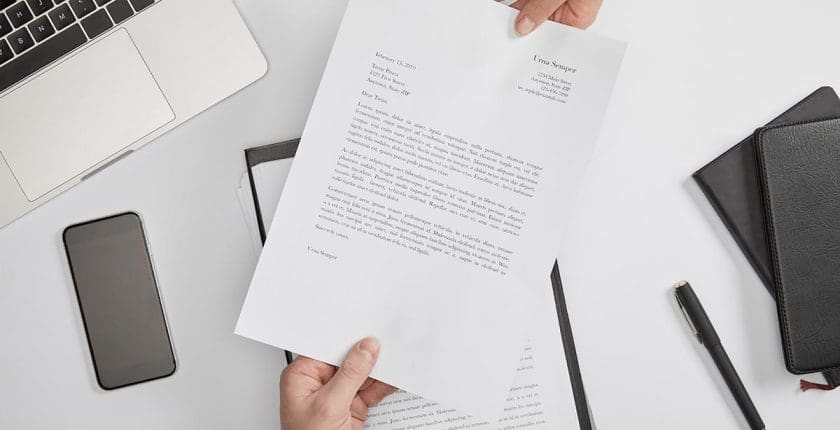
    In today’s competitive job market, a strong cover letter can set you apart and make a lasting impression on potential employers. A cover letter is a one-page document that accompanies your resume. It introduces you, highlights your most relevant skills and achievements, and explains why you are the right fit for the role. Unlike a resume, it allows you to address the company directly, show personality, and demonstrate that you’ve researched the organization.

    A strong cover letter typically includes:

    • Introduction – who you are and why you’re applying.
    • Qualifications – relevant experience, skills, and accomplishments.
    • Closing – enthusiasm for the role and a request for an interview.


    Why Is a Cover Letter Important?

    A cover letter goes beyond summarizing your resume—it personalizes your application and shows genuine interest. It allows you to:

    • Expand on key achievements or projects.
    • Explain employment gaps, career changes, or unique circumstances.
    • Highlight your knowledge of the company’s values, products, or challenges.
    • Demonstrate effort by tailoring your application.


    When written with relevant keywords, it also improves your chances of being noticed by applicant tracking systems (ATS).

    Steps to Write a Professional Cover Letter

    1. Understand the Job Requirements – Analyze the job description and align your letter with the key responsibilities.
    2. Research the Company – Learn about its mission, culture, and current priorities; link these to your skills.
    3. Create a Strong Opening – Address the hiring manager by name, mention the job title, and express enthusiasm. Start with a relevant accomplishment if possible.
    4. Highlight Key Achievements – Use measurable results to demonstrate how you’ve added value in past roles.
    5. Show Cultural Alignment – Explain how your values and work style fit the company’s culture.
    6. Emphasize Soft Skills – Use brief examples to showcase teamwork, leadership, or problem-solving.
    7. Write a Compelling Closing – Reaffirm your interest, express confidence, and invite them to interview you.
    8. Proofread Carefully – Eliminate spelling, grammar, and formatting errors to ensure professionalism.


    Top Five Mistakes to Avoid

    1. Using Generic Content – Avoid vague, copy-paste letters.
    2. Over-Focusing on Personal History – Keep it achievement-driven and relevant.
    3. Ignoring Company Culture – Show you’ve researched the company’s values and mission.
    4. Neglecting Proofreading – Typos and errors can cost you opportunities.
    5. Being Too Wordy – Keep it concise and limited to one page.


    Final Thought

    A well-crafted cover letter is your opportunity to make a strong first impression. By tailoring it to the role, showcasing your unique strengths, and avoiding common mistakes, you’ll stand out as a prepared, motivated, and competitive candidate.